
Grayson Weeding Services
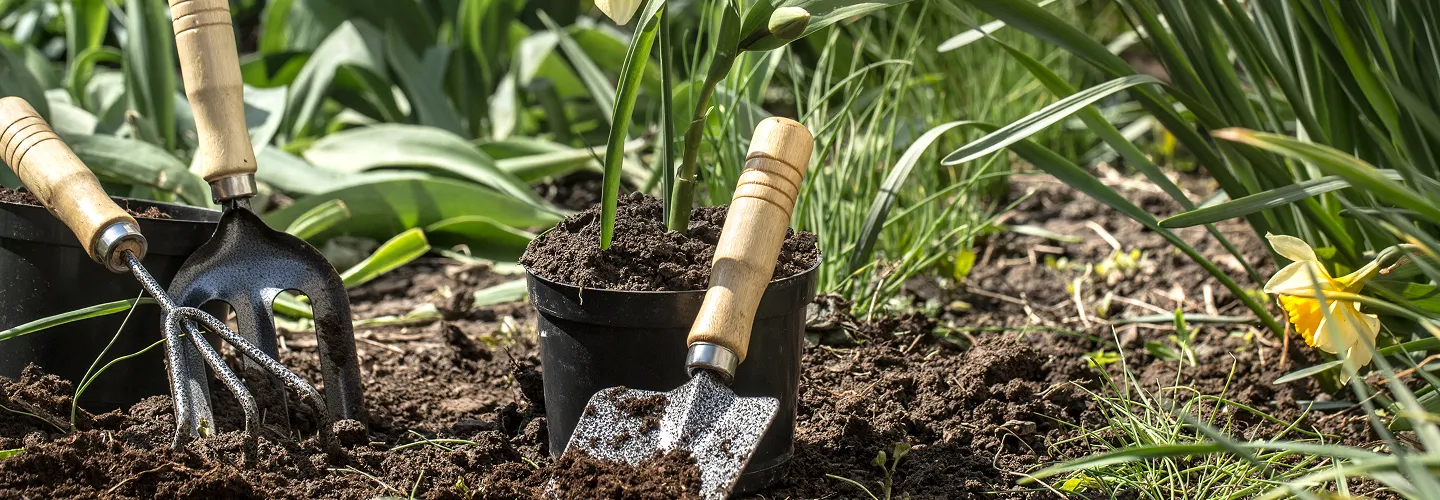
Choose Grayson Weeding Services for reliable, thorough weed removal that keeps your garden healthy and beautiful all season long. Our experienced team uses proven methods to ensure your landscape stays pristine and weed-free.
Get a Free QuoteOur Grayson Landscaping & Yard Care Services
When to Schedule Weeding in Grayson, Georgia – Seasonal Guide
In Grayson, Georgia, the best times to schedule weeding are closely tied to our unique climate and landscape features. With warm, humid summers and mild winters, weed growth can be persistent, especially in neighborhoods like Wheatfields Reserve and near Tribble Mill Park. Early spring and late fall are generally optimal for weeding, as soil moisture is higher and weeds are most vulnerable before they set seed. Monitoring local frost dates is crucial—starting weeding after the last spring frost and before the first fall frost helps ensure effective results and protects desirable plants.
Local environmental factors such as periods of drought, heavy rainfall, and the clay-heavy soils common in Grayson can all impact weed growth and removal strategies. Areas with dense shade from mature oaks or pines, like those found along Grayson Parkway, may require different timing compared to sunnier, open yards. For more information on local environmental guidelines, visit the Sudbury town website.
Local Factors to Consider for Weeding in Grayson
- Tree density and shade coverage
- Soil type (clay vs. sandy)
- Seasonal precipitation patterns
- Proximity to water features or flood-prone areas
- Municipal restrictions or neighborhood association guidelines
- Terrain slope and drainage
- Recent weather events (frost, drought, storms)
Benefits of Weeding in Grayson
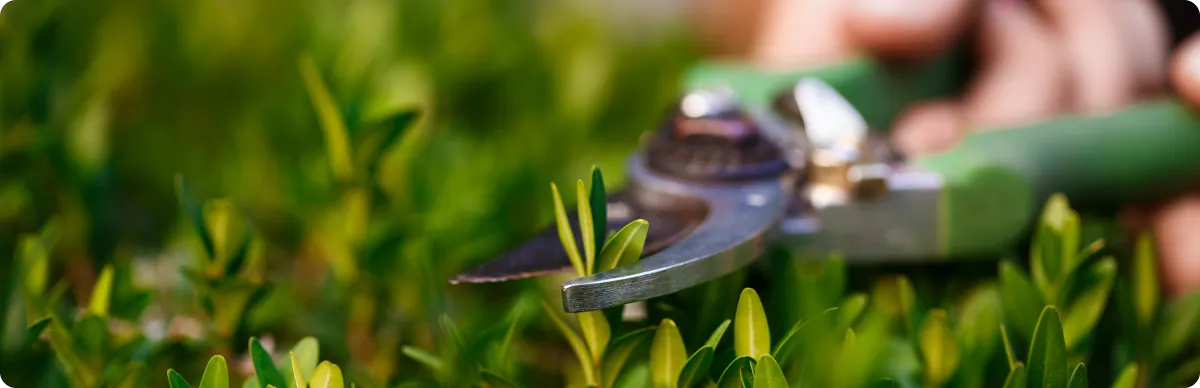
Enhanced Curb Appeal
Healthier Plant Growth
Reduced Pest Infestation
Improved Soil Quality
Time and Effort Savings
Professional Landscaping Expertise
Grayson Weeding Types

Hand Weeding
-
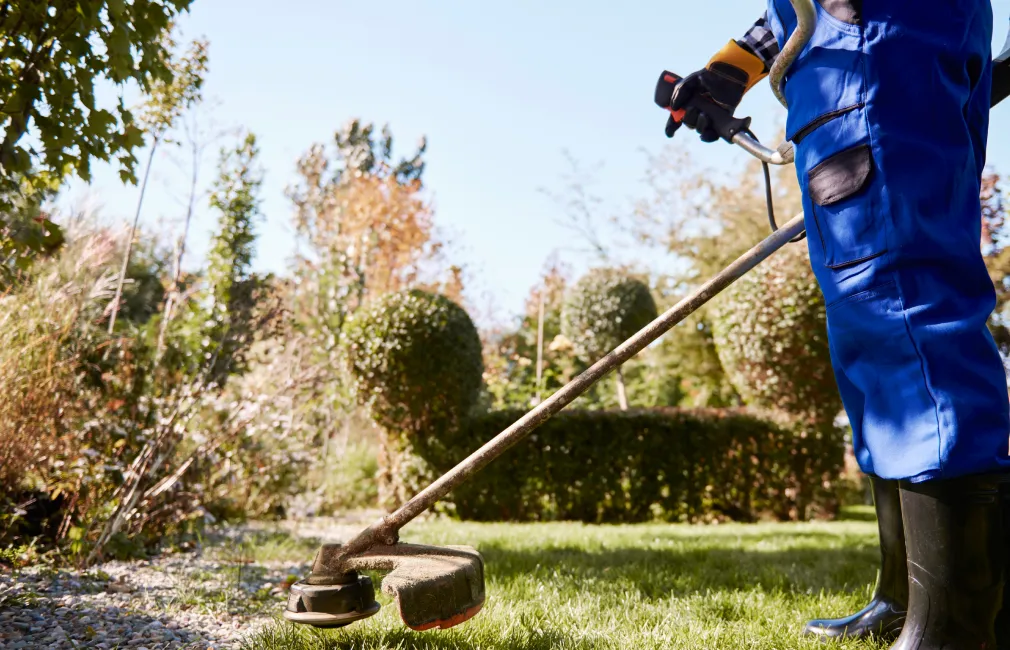
Mechanical Weeding
-
Mulching for Weed Control
-
Chemical Weed Removal
-
Flame Weeding
-
Soil Solarization
-
Organic Weed Management
Our Weeding Process
Site Evaluation
Weed Identification
Targeted Removal
Soil Treatment
Final Inspection
Why Choose Grayson Landscape Services
-
Grayson Homeowners Trust Us
-
Expert Lawn Maintenance
-
Reliable Scheduling
-
Competitive Pricing
-
Professional Team
-
Satisfaction Guarantee
-
Personalized Service
Grayson's Piedmont Red Clay Soils and Weed Pressure in Planting Beds
Grayson, GA sits within the Piedmont physiographic region and falls in USDA Hardiness Zone 7b, where warm, humid summers and mild winters create persistent weed pressure throughout much of the year. According to the USDA Web Soil Survey, predominant soil series in the Grayson area include Cecil and Appling soils — both characterized by red clay subsoils, moderate to poor drainage in compacted areas, and naturally acidic pH levels typically ranging from 5.0 to 6.0. These conditions favor aggressive weed species such as crabgrass, nutsedge, and broadleaf plantain, which exploit compacted, poorly aerated zones. Property owners should be aware that:
- Compacted red clay limits root competition from desirable plants, giving weeds a competitive advantage
- Acidic soil conditions can encourage moss and certain broadleaf weeds in shaded areas
- Poorly drained low spots near drainage swales are particularly vulnerable to sedge and rush establishment
Soil testing through UGA Cooperative Extension is recommended before initiating any weed management program to determine pH and amendment needs.
Seasonal Weeding Windows and Timing Guidance for Grayson Properties
Effective weed management in Grayson requires timing removal and suppression efforts to align with the local growing calendar. The National Weather Service Atlanta forecast office reports that Grayson typically experiences frost-free conditions from mid-March through mid-November, creating an extended window for warm-season weed germination. Key timing considerations include:
- Late February to early April: Pre-emergent herbicide applications are most effective before soil temperatures reach 55°F, targeting crabgrass and annual broadleaf weeds
- April through June: Hand-weeding and cultivation are most productive before summer annuals set seed
- July through August: Heat and humidity accelerate weed growth; weekly monitoring of beds and turf edges is advisable
- September through October: Fall pre-emergent applications target winter annual weeds such as henbit and chickweed
- November through January: Dormant-season weeding of perennial species such as wild onion and thistle is effective when soil is workable
UGA Cooperative Extension publishes Georgia-specific weed management calendars that property owners and managers in Grayson should reference when scheduling professional or self-directed weeding programs.
Nuisance Vegetation and Overgrowth Standards Under Grayson's Code of Ordinances
Property owners in Grayson are subject to local nuisance vegetation standards that regulate the height and condition of weeds, grass, and overgrowth on private parcels. The Grayson Code of Ordinances addresses property maintenance requirements that may include restrictions on vegetation height and the presence of noxious or invasive plant species on developed lots. Failure to maintain compliant vegetation conditions can result in code enforcement action. Relevant compliance considerations include:
- Unmanaged weeds and tall grass on residential or commercial lots may constitute a public nuisance under local ordinance
- Overgrowth adjacent to public rights-of-way, sidewalks, and drainage easements may trigger enforcement review
- Repeat violations can result in municipal abatement with costs assessed to the property owner
Property owners uncertain about specific height thresholds or vegetation standards should verify current requirements directly with the Grayson Planning & Zoning office, which administers land use and development standards within city limits.
Grayson Planning & Zoning
475 Grayson Parkway, Grayson, GA 30017
Official Website: Grayson Planning & Zoning
Protecting Grayson Stormwater Infrastructure During Weed Control Operations
Grayson's developed neighborhoods drain through a network of stormwater inlets, detention ponds, and drainage corridors that connect to regional watersheds managed in part by Gwinnett County Water Resources. Weeding operations — particularly those involving herbicide applications — must be conducted with care to prevent chemical runoff into these drainage features. The Georgia EPD Watershed Protection Branch establishes water quality standards that apply to stormwater discharges, and the Clean Water Act prohibits the introduction of pollutants into waters of the United States through municipal storm systems. Practical precautions during weeding work near drainage infrastructure include:
- Avoid herbicide applications within 10 feet of stormwater inlets, detention pond edges, or drainage swales unless product labeling specifically permits such use
- Do not dispose of pulled weeds or plant debris into storm drains or drainage ditches
- Allow a minimum 24-hour buffer after herbicide application before anticipated rainfall events to reduce runoff risk
- Use targeted spot-treatment methods rather than broadcast applications near drainage corridors
Gwinnett County Water Resources
684 Winder Highway, Lawrenceville, GA 30045
Official Website: Gwinnett County Water Resources
Georgia Pesticide Licensing Requirements for Professional Herbicide Applications
When weeding services in Grayson involve the application of herbicides or other chemical control agents on behalf of a client, Georgia law requires that the applicator hold appropriate licensure. Under the Georgia Pesticide Use and Application Act of 1976, commercial pesticide applicators must be licensed through the Georgia Department of Agriculture - Licensing, Certification and Employee Registration program. Property owners hiring professional weeding services should verify that any contractor applying herbicides holds a valid Georgia pesticide applicator license. Key regulatory points include:
- Unlicensed commercial herbicide application is a violation of state law
- Licensed applicators must follow label directions, which are legally binding under federal and state law
- Restricted-use pesticides require a certified applicator; general-use herbicides may be applied by registered employees under a licensed applicator's supervision
- Records of commercial pesticide applications must be maintained per Georgia Department of Agriculture requirements
Residents performing their own weeding with over-the-counter herbicides are not subject to licensing requirements but must still follow all product label instructions.
What Neighborhoods Do We Serve Throughout Grayson, GA?
- Grayson Town Center Area: Properties near the city's core along Grayson Parkway feature a mix of commercial frontage and residential lots where right-of-way weed management and bed maintenance are subject to municipal visibility and code compliance standards.
- Alcovy Trace: This established subdivision includes mature landscaping and wooded lot edges where invasive vine species such as kudzu and English ivy frequently encroach from wooded buffers, requiring consistent perimeter weeding.
- Grayson Farms: Larger residential lots in this community often feature extensive planting beds and turf areas where red clay compaction contributes to persistent nutsedge and crabgrass pressure.
- Killian Hill Road Corridor: Properties along this corridor include a mix of older residential lots and newer development, with drainage swales that require careful weed management to maintain stormwater flow capacity.
- Grayson Area Parks Vicinity: Residential properties adjacent to Grayson Area Parks and greenway corridors experience elevated weed seed pressure from adjacent natural areas, particularly during late spring and summer.
- Harbins Road Neighborhoods: Newer subdivisions along Harbins Road often feature fill soils with disturbed profiles that support aggressive annual weed colonization, particularly in the first several years following construction.